
5 health and fitness tips to unlearn
Back to school. If you read that with Billy Madison’s voice in your head, you’re my person. But back to the story, back to school. It’s a time that feels very natural to talk about learning.
But I’m not going to do that. As I often do, I’m going to zig instead of zag.
I’d like to use the spirit of learning to talk about unlearning. When it comes to health and fitness tips, there’s a lot of bad ones I’ve unlearned.
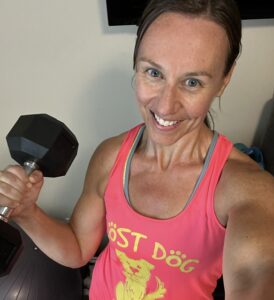
New learning: Strive to be STRONG
I also put this out to my Twitter – I mean X – friends. I wanted to know what advice they’ve had to unlearn. And they showed up! I got a lot of great responses, most of them from people around my age or older. What we’ve unlearned as we’ve grown wiser and we now know better.
Here are 5 health and fitness tips to unlearn right now.
1. Unlearn: Strive to be skinny
This one was my share and what sparked the X discussion. But I imagine a lot of people really need to unlearn this health and fitness lie.
Skinny was always ingrained in me as THE goal. In my 20s, I realized the only way this would work for me was through lots of cardio and being hangry. Hard pass.
Especially into my 30s, I fully appreciated the power of being strong. Perhaps because it jives with my natural body type and affinity for food, I learned I was really good at it, too! Once I discovered the joy of being strong, not skinny, I’ve never looked back or felt better.
Now, in my 40s, I feel this is the biggest opportunity of unlearning. With the recent surge in prescription drugs, there’s perhaps never been more focus on skinny. But please, PLEASE unlearn this now. Skinny won’t be there for you in your 30s when you’re lifting and holding kids, in your 40s when you’re growing a career, when you’re 50 and natural body changes rob you of muscle, when you’re 60 and break a bone, and when you’re 70 and can’t get up from the floor or a chair on your own. Strong will. New learning: Strive to be strong.
2. Unlearn: Never take a rest day
Shout out to everyone using fall and back to school as their opportunity to get back into the swing of exercise! But with that enthusiasm comes this habit to unlearn.
If you were taught to work hard, grind, keep pushing, that’s great – but not if it means go, go, going 7 days a week.
Don’t over-do it. Don’t burn out. Remember that rest is productive. Plan and enjoy rest day and your body will thank you. New learning: Take a rest day.
3. Unlearn: Losing weight will make me faster
In some cases, this piece of advice may be true; someone overweight and just starting out with exercise, whether cycling, walking, running, along those lines. For that person, yes, losing weight will likely lead to better performance.

Unlearn advice that leads to burnout, exhaustion, injury, or unhappiness
But this unlearning is meant for people who already have a solid exercise habit and in their ideal weight range for energy, focus, muscle, and overall wellness. Trying to lose weight may be a fast track – but to injury, exhaustion, or burnout. Generally speaking, calorie cutting is a primary weight loss strategy. And, generally speaking, more, not less, food is crucial for fitness gains. That applies to muscle, too.
For those looking to get faster, strength training or intervals are a much better place to start than weight loss. New learning: Focused effort and hard work will make me faster.
4. Unlearn: Go all-in on 1 thing
While this is a great unlearning for adults to apply to themselves, we should also remember this when it comes to our kids. I’m overwhelmed by youth sports culture and the intensity, expectations, and financial demands put on kids in sports. And not high school kids. I’m talking already in freaking elementary school. But that’s for another time.
When it comes to this bad health and fitness tip, I see the behavior often show up with running; people just run and run and run. Whether it’s running, or cycling, the elliptical, even cardio as a focus in general, mixing up workouts is crucial. Same goes for lifting weights. It’s not beneficial to do leg day over and over. One day, it’s legs. Another, it’s a brisk walk. The next, back and shoulders, etc.
Not only does unlearning this specialization lie help combat burnout and injury, it promotes well-rounded wellness and greater overall strength (see unlearning #1). New learning: Cross train.
5. Unlearn: What works for that person will work for me
This is perhaps the most universal health and wellness tip to unlearn but especially valuable for women. By now, I think we all know the overwhelming majority of health and fitness knowledge is based on men. And, as (the wonderful and brilliant) Dr. Stacy Sims coined, “Women are not small men.” i.e. what works for men cannot be blindly applied to women. Thank you, Dr. Sims!
But this unlearning extends beyond women. In addition to gender, your age, your goals, your phase in life – virtually everything about you – dictates the unique blend of nutrition, exercise, sleep, and everything you need to be your best.
I wrote a short blog a few weeks back about the one health and wellness influencer to follow. It’s you. Only you. Don’t spend another ounce of energy trying to find the secret, the hack, the “thing” that someone else does or promises will work for you. Spend your energy getting to know YOU. New learning: Only I determine what works best for me.
That’s enough for now. Until next time,
Lindsay
Why you want to be uncomfortable
We’ve all heard it: “Push through the pain.” Or: “No pain, no gain.
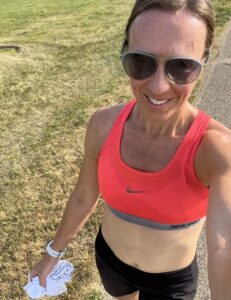
My running this summer has been one giant, neverending test of discomfort – so hot!
Statements like this are common in the health and wellness world. And even though they are rooted in a positive idea – get tough, do the hard work – they’re not quite right. Because pain doesn’t make you stronger and doesn’t give you gains.
Pain is a warning sign. It slows you down, halts progress, may even sideline you.
What should we be striving for? Discomfort.
You know discomfort. It’s that feeling when you don’t want to or think you can’t; when it feels too hard or you feel like giving up.
That’s being uncomfortable. That’s when you push through, when growth and gains come.
It’s not catchy and it doesn’t rhyme. But discomfort – not pain – is the real goal. So get going and get uncomfortable!
That’s enough for now. Until next time,
Lindsay
The one health and wellness influencer to follow: you
When it comes to health and wellness, whether nutrition, exercise, sleep, or all of it, there are always a lot of opinions, advice, and information swirling on the internet.
Morning or night workout? Running or weights? YOU decide
Social media especially is its own health and wellness wild wild west. It’s filled with health and wellness influencers who seem to have the tips, the thing that works, THE secret cheat codes. Like they have it all figured out for you.
Here’s what no one tells you though: What works for them may not work for you. Why? Your goals, age, gender, lifestyle – so many things determine the nutrition, exercise, and healthy habits that are best for you.
Rather than worry about whatever exercise fad a wellness influencer is pushing or nutrition trend is trending, focus your energy on getting to know you.
Find the routine that works for you to be successful. Choose foods and prioritize nutrition that makes you feel and be your best. Research how to best support your needs at the age and stage of life you’re in – and headed towards. Do the exercise that supports your goals and that you actually enjoy.
Don’t worry about a health and wellness influencer to follow and don’t chase their trends, fads, or advice. Be your own health and wellness influencer – chase yourself!
10 ideas: What to make for healthy lunch and dinner
Who would’ve thought the hardest thing about parenting would be deciding what to eat for lunch and dinner?
It’s true. And you don’t have to be a parent to get this. Anyone trying to eat nutritious food knows the struggle is real when it comes to making a healthy lunch and dinner, day after day after day.
In my latest post for Fargo Mom, I tackle this head-on with 10 ideas of what to make for healthy lunch and dinner. A full Monday through Friday plan of healthy lunch and dinner ideas. Read the full article, Summer meal planning: a week of ideas on Fargo Mom or take a peek below at a quick list of healthy lunch and dinner ideas for the week:
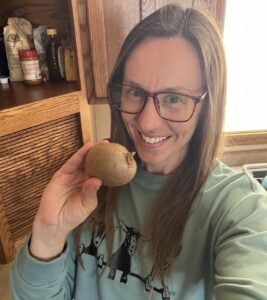
One of the sneaky most nutritious foods you may not be eating is perfect for summer – kiwi!
Monday
Lunch: Hard-shell tacos with a side of corn and pineapple
Dinner: Homemade broccoli mac and cheese
Tuesday
Lunch: Egg bake with a side of carrots and berries
Dinner: Burgers with baby smash potatoes
Wednesday
Lunch: Simple sandwiches with chips and kiwi
Dinner: Spaghetti with a side of green beans
Thursday
Lunch: Grilled cheese with hamburger salad and apple slices
Dinner: Fish tacos with rice
Friday
Lunch: Chicken wraps with peas and watermelon
Dinner: Pizza! Because, it’s been a long week – treat yo self 🙂
With a little planning and food prep, you can spend your summer days and evenings eating nutritious food without having to cook every single meal.
That’s enough for now. Until next time,
Lindsay
Nobody asked me: Nutritious foods to eat every day, A-Z
Nobody asked me but this post could be really helpful to a lot of people – those trying to eat healthier and eat real food to get crucial nutrition from foods every day.
It’s tough to know what foods to eat every day. There’s perhaps never been more conflicting advice, contradicting “research” and personal opinions. Yet, there’s also never been a more positive light being shined on the importance of nutrition and to eat real food.
While you try to navigate the world of protein and fiber bars, endless supplements, and internalize the “should I or shouldn’t I” of taking creatine, this is your reminder that powerful, crucial nutrition you need every day can come from food alone.
I’d like to help cut through the confusion of “what should I eat every day” by offering a round-up of nutritious foods, from A to Z. These ideas cover the range of crucial nutrition from foods and also help you understand why you need to eat nutrients every day.
A – Avocado
Did you know avocado is a fruit? Surprising, perhaps because it’s among the lowest in sugar. It’s also rich in fiber, plus high in monounsaturated fat, vitamins, and potassium.
That’s right – fat isn’t bad, it’s good. In fact, you need healthy fats to optimize absorption of important vitamins like A and E. Avocado can be served with so many meals, from topping breakfast eggs to dicing into a lunch salad, or mashing into a taco at dinnertime.
B – Berries
Possibly the best fruit for overall health benefits, berries cram the nutrition into a bite-size package. They’ve been shown to offer cancer-fighting benefits, boost brain health, and are rich in fiber – plus, they’re just tasty.
Most berries are among the lowest-sugar fruits, too making them a good choice for those working to manage blood glucose spikes.
C – Cruciferous vegetables
There are so many goodies in this category that I had to include it in its entirety. From the Bs like broccoli and Brussel sprouts to the Cs like cauliflower and cabbage, cruciferous vegetables really bring it when it comes to nutrition.
Cruciferous veggies are loaded with vitamins, minerals, antioxidants, and fiber. Vitamin k in particular is important to bone and blood health, while broccoli offers a surprisingly solid dose of vitamin C for iron absorption and collagen production. Research even points to them potentially helping reduce the risk of some cancers and helping ease perimenopause symptoms. Cook them, dip them, just eat them, every day.
D – Dragon fruit
This may be the least “common” food on this entire list but it’s here for good reason. Dragon fruit contains prebiotics – you’ve heard a lot about probiotics, but prebiotics are the other half of that gut-health equation. Dragon fruit is also rich in iron and magnesium.
It’s a tropical fruit, but can be found year-round in dried and frozen forms. Of all fruits, it’s perhaps the one I’d best describe as an “acquired taste” but give it a chance.

Egg bake is one of many ways you can eat eggs every day
E – Eggs
Choline for brain health. Complete protein for muscles and bones. B vitamins that the body needs to replenish every day. A rare non-sunlight source of vitamin D, crucial for energy levels and calcium absorption. Old-school marketing had it right: the incredible, edible egg really is incredible.
Eggs are an absolute powerhouse; a nutrient dense food that’s full of goodness. I’ve gone on record that I believe eggs are the best food, the #1 thing to eat every day. I stand by this statement and will die on this hill – hopefully at a very old age because my brain, bones, and body will be so ship-shape from all the eggs.
F – Flaxseed…and chia seeds
Come for one F-word and stay for a C-word. Yikes. Okay, shaky alphabet connection aside, I put these 2 together for good reason. Both flaxseed and chia seeds are an easy way to get Omega 3 fatty acids which are super valuable for body and brain, yet most of the top sources are found in another F-word, fish. Not everyone loves fish and so these seeds bring the benefits, plus fiber and protein, in a mild flavor.
Think of ground flaxseed and chia seeds like glitter, only in a good way (because actual glitter should be illegal). Sprinkle them everywhere. I add ground flaxseed to soups, oatmeal, even stir fry or mixed veggies. One of my favorite snacks is plain Greek yogurt with blueberries and ½ serving of high protein granola, sprinkled with chia seeds.
G – Garlic
More something you add to food than a food itself, garlic still belongs on this list. Technically, it is a vegetable, but acts and is thought of as a spice – one of the most powerful to boot.
Garlic supports a healthy immune system and heart health, and some studies suggest it can inhibit growth of cancerous cells. It works in a lot of recipes so really go for it with garlic. Don’t worry about side effects, that’s why mints and gum exist.
H – Honey
There’s no illusion that we should be living in a world free of sugars and sweeteners. Choosing something natural like honey, that also contains vitamins, minerals, and antioxidants, feels like a good way to go.
Not only has honey shown to positively affect metabolic health and sleep, it may also help when feeling unwell, like soothing a bag cough or sore throat.
I – Ice cold water
Okay, I am casting the net wide to work with this tricky letter. But water absolutely counts as nutrition and is legit the best beverage to drink every day.
Drinking water is detox, it’s skincare, and it’s so much more than a better choice than soda or energy drinks. If there’s one simple, easy healthy habit to do every day, let it be this: drink water.
J – Java
Better known as coffee (but I already used the C) another beverage with lots of proven benefits is a simple, black cup of java.
I said simple and black on purpose – keep coffee as close to plain as possible. Pretentious multi-ingredient sugar bombs should stay a once-in-awhile treat, not be the regular consumption.
K – Kiwi
Back to food with kiwi, a nutrient-dense super star. More potassium than bananas, more vitamin C than oranges, kiwi is often overlooked but no longer! That vitamin C again is crucial for iron absorption and plays a role in collagen production, while also having a reputation for fighting off colds.
While kiwi is typically eaten skin-off, the skin can be washed and eaten for higher fiber content. Be brave and give it a try.
L – Legumes
Rather than limit this list to include just beans, I’m being sneaky because the legume category covers other fiber and protein powerhouses like chickpeas, edamame, peas, and even peanuts.
Legumes have been linked to cardiovascular health and help regulate blood sugar levels. Plus, the way they pack in essential nutrients, filling fiber, and protein just speak even louder volumes for eating legumes every day.
M – Mushrooms
Perhaps another one raising eyebrows on this list, hear me out on mushrooms. They are super nutritious, packed with vitamins, B5 in particular. B5 is one of the most important for turning food into energy and supporting metabolism, making mushrooms a super star to help the body feel energized and function its best.
Especially for meat lovers, mushrooms’ texture makes it a great meat substitute for those trying to scale back on meat or a nice complement to serve alongside meat.
N – Nuts
Anti-inflammatory famous nuts, like almonds, cashews, and walnuts are rich in magnesium, which boosts energy and body function, offers muscle and sleep support. Nuts provide vitamin B7 for brain and body health, and vitamin E for antioxidant properties, while almonds in particular are rich in B2, a vitamin needed to keep skin and eyes healthy, along with supporting cellular function.
A rare nutritious food that’s portable and shelf-stable, nuts are easy to pack and eat on the go, with no worries of them spoiling.
O – Olive oil
The swirl on seed oils is confusing and even conflicting. So let’s focus on the oil that always reigns supreme and belongs in every kitchen: Olive oil, especially extra-virgin olive oil. You’ll find it full of healthy fats for heart health and cholesterol management, and it also provides a good dose of vitamin E, an antioxidant that can help protect cells from damage.
The other standout factor, olive oil is minimally processed. What’s extracted from the olive is what’s in the bottle you buy, unlike many other oils that undergo processing before they wind up on the grocery shelf. Hopefully some of you reading this are trying to cook more often – that’s great! Keep olive oil close by and feel good about using it for virtually everything.

No fear of carbs! Potatoes are nutritious food, inexpensive, and easy to customize to your liking
P – Potatoes
Do not avoid potatoes because they’re a starchy vegetable. Whether baby reds or sweet, potatoes are one of the best sources of quality carbohydrates. We all need carbs and vitamin B6 to help grow and regenerate brain cells. And especially for athletes, potatoes offer crucial nutrients like potassium and magnesium. Sweet potatoes are rich in beta carotene, which the body converts into vitamin A to support healthy vision and skin, and the immune system.
There are so many varieties of potatoes and they’re inexpensive. They boast lots of ways to be cooked and are virtually limitless in options to dress them up and customize. Not just savory like cheese or bacon, try topping a sweet potato with butter and cinnamon for a unique taste.
Q – Quinoa
High in fiber and rich in minerals like iron and magnesium, a unique aspect of Quinoa is it’s one of few plant proteins that’s a complete protein. That means it contains all 9 essential amino acids; like what’s in eggs and most meat.
Where quinoa really shines is in food and meal prep. It’s easy to cook in bulk, freezes and reheats well, and is versatile to be served with many dishes. Add it to salads, eat with stir fry or other veggies, or use in bean-based or fish tacos.
R – Rice
A calm carb might be just what’s needed to balance out the fiber-richness of this list. Enter rice. White rice is a simple choice for people with sensitive stomachs. For those with a bit more tolerance, brown and wild rice are higher in nutrients and good for that microbiome.
Rice is naturally gluten-free, too so it’s a great option for those with celiac disease who crave the comfort of a hearty, filling food.
S – Spinach
Of all leafy greens, spinach is my favorite because of its taste and richness in iron, magnesium, vitamin K, and the body and blood cell-boosting B vitamin, folate.
Used raw, spinach dresses up otherwise blah salads. It cooks fast and shrinks when cooked, so it’s easy to pack in a lot to many types of dishes.
T – Turmeric
Another non-food item on the list, turmeric deserves this coveted spot because of its incredible anti-inflammatory powers.
I started running marathons again in my 40s and also began incorporating turmeric into my diet – I’ve since run multiple marathons every year and not one aspirin, ibuprofen or sore muscle aid needed. It’s the real deal.
U – Understand your needs
This next part of the alphabet is tricky but I can still offer something solid and valuable! Eating the right combination of nutrition and healthy foods is extremely personal. What foods make YOU feel and function your best? What foods offer the nutrition that YOU need most at this stage in life?
Far too much time is spent on seeing what influencers or others recommend. The real power and flex is to gain a greater understanding of YOU. Even if everything on this list isn’t your jam, I hope it offers some inspiration and ideas that work for YOU.
V – Variety of veggies and fruits
While there’s benefit in eating staple foods every or most days, variety is great when it comes to nutrient-packed foods like vegetables and fruits.
Having this variety mindset with veggies and especially fruit is helpful because price and availability vary. Try to keep the top-quality ones on repeat, then mix in different options based on seasonality factors.
W – Whatever is your favorite
This is a reminder to treat yo self!
Make space to eat foods that you love every day, balanced with those that fuel the body and provide nutrition to help it feel and function at its best. Hopefully some of your favorites are also nutritious – I swear, the more you eat them, the more they become the ones you want all the time!
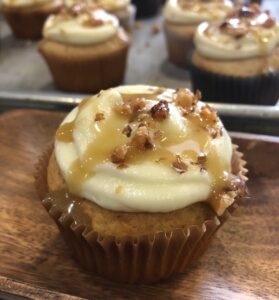
No food is off-limits. No food is bad. Healthy eating is happy eating!
X – Nothing off limits
I see X as the one letter that does not belong on this list, as in no food should have a big X through it because it’s off limits.
Food exists to fuel and nourish and, sometimes, just to make us happy. There’s a place for everything on your plate. Nothing is bad, nothing needs to be avoided.
Y – Yogurt
Choose Greek yogurt for ultimate gut health benefits, plus a punch of protein and vitamins like the skin and cell supporting B2. You can add fruit or chia seeds, use it as a substitute for sour cream or a base for salad dress – or, just eat it as is.
While Kefir technically isn’t yogurt, I’m lumping it in here because, as a fermented dairy product, it brings a similar vibe. It’s a bit thinner consistency compared to yogurt and offers even more gut-health goodness.
Z – Zucchini
Not the most flavorful veggie but zucchini offers a lot of nutritional benefits. It’s a good source of dietary fiber, vitamins B6, C, and iron, plus vitamin A to support healthy eyes.
Another advantage of zucchini – it’s very versatile. Add it to enchiladas or soups. Spiralize it to replace or blend in with spaghetti noodles. You can even bake treats with zucchini! When the garden is overflowing with zucchini, there’s plenty of use for it all.
Noticeably absent from this list: meat. I believe meat offers high-quality nutrition and can be eaten every day. But because I don’t eat it, I’m not in a position to speak to it properly.
I’m not a nutritionist, a doctor, or have any formal education in the realm of nutrition. Just a constant pursuit to learn, re-learn, then keep learning about it. Part of that learning is relying somewhat on my own experiences, which inspire a lot of what I write. As much as I wish I did, I’ve simply never liked the taste or texture of meat. I’m trying tho – I have successfully begun eating fish about once a week!
Upside, I feel like meat is one of the most common foods people already eat daily and doesn’t need much explanation. Go on with your meat, carnivores!
That’s enough for now. Until next time,
Lindsay
Nutritious food to make for new moms – and yourself
The best gift you can give to a new mom – or yourself – isn’t something that can be bought in a store or on Amazon.
It’s food. Healthy, satisfying, nutritious food. I love talking about nutritious food so I was excited to write about the topic for my latest blog on Fargo Mom.

The MVP of easy, high-protein, nutritious food: eggs
From healthy meals with high protein, to nutritious snacks, even nutritious food you can eat with just one hand (if you’re a parent, you know), see the list below for 10 of my favorites. This list offers a great variety of options, all packed with nutrition.
Read the full post, Nutritious Food to Make for New Moms on Fargo Mom.
1. Egg bake (check out my recipe for high-protein egg bake)
2. Hardboiled eggs
3. Wraps or “Sushi” sandwiches
4. Steak bites
5. Enchiladas
6. Soups
7. Stir-fry
8. Protein bites
9. Oatmeal fruit bake
10. Nuts and seeds trail mix
That’s enough for now. Until next time,
Lindsay
Be curious: Use the new food pyramid to learn about nutrition
You probably know there’s a new food pyramid. My social feeds are curated to align with my passion for health and wellness, so I know I’m seeing it more than most. But you’d have to be pretty disconnected to not know there’s a new food pyramid and complementing dietary guidelines.
First off, I love all the interest in the new food pyramid! Some of it isn’t positive but, upside, it’s getting people talking more about nutrition, finally. EAT REAL FOOD is the key message coming from it. Finally!
I’m not here to debate the pyramid. Everyone has an opinion and I’m tired of seeing it under fire and being so heavily scrutinized. I don’t want to contribute to that.
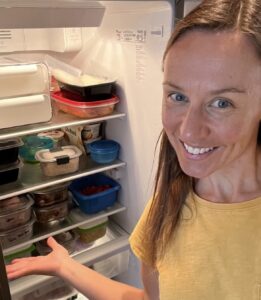
My fridge matches my nutritional focus: lots of real food
So instead, I want to share an opportunity that I’m hoping we will see more of now with the new food pyramid: Curiosity.
Now that all the naysayers and supporters and experts have weighed in, I want to see the new food pyramid and guidelines spark the everyday folks like you and me to be curious, ask questions, and learn about nutrition.
At the end of the day, that’s what this should all really be about – improving our nutrition, improving our health and wellness. And here’s how I see the opportunity to do just that, by getting curious.
How to learn about nutrition
One of the biggest headlines coming from the new food pyramid is red meat being prioritized. Red meat is one of several protein sources listed. It’s not the only one or alone at the top.
But also, there’s a reason red meat is towards the top. Why? I’m glad you asked!
Red meat is packed with nutrition, essential nutrition to boot. In addition to protein and iron, what most people recognize, it’s a great source of magnesium and B vitamins – why do I need B vitamins? I’m glad you asked!
B vitamins maintain your body’s energy production systems and are crucial to metabolic health. They’re also not easy to get from a plant-based diet alone and red meat is a solid source. I don’t even eat read meat, but I respect the nutritional facts.
The headline that’s unfortunately not coming out of the new food pyramid is that veggies are up top. Combine them with fruits and you’d see those 2 powerhouse categories take up more space than anything else on the pyramid. Woo hoo!
Why is this a big deal veggies are at the top…do I really need to eat veggies every day? I’m glad you asked!
Prioritizing a variety of veggies every day is important because they contain SO MANY nutrients. Seriously, tons of good stuff packed in. I could go on forever so I won’t. I’ll note just 2 of the most recognizable here, fiber and carbohydrates. Veggies – and fruit – are wonderful sources of fiber to keep you full and your digestive system happy, with carbohydrates to fuel your brain and body to be great.
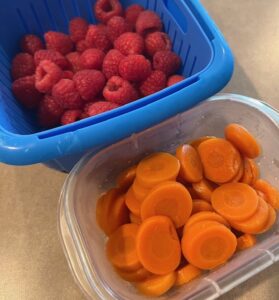
2 favorites for fiber, carbs, and so much more
Wait, carbs? Aren’t carbs bad? Why do we want those high on the pyramid? I’m glad you asked!
Carbs have a bad reputation because people associate them with bread or pasta – foods that aren’t bad but just aren’t exactly nutritional powerhouses.
To make sure I say that again, those foods aren’t bad – no food should be labeled bad – so the new food pyramid may help people see and understand why carbs are really good. Potatoes and carrots, berries and bananas – not just filled with fiber, those are good sources of carbs! And they also deliver a host of nutrients that boost your body, boost your brain, boost your mood, even help you sleep.
Wait, sleep better? What kind of nutrients can help me sleep better? I’m glad you asked!
Be curious, not judgmental
Okay, I’ll stop now – but you see my point, I hope? This new food pyramid could be opening up so many wonderfully curious questions. It could be giving people a great opportunity to learn more about nutrition. The guidelines could really help people improve their health and wellness. And I hope that we get there.
Because, right now, instead of asking questions about why things are included, being curious to look beyond the graphic and actually read the guidelines, most of the online chatter is rooted in political motivations.
Please don’t make health and wellness political. Please don’t shun the guidelines because they came from an administration or a person you don’t like. And please don’t outright lie, try to mislead people with headlines and imagery intended to discredit the value and rich nutritional information baked into all of it.
Let’s be curious, not judgmental. I think a terrific – albeit, fictional – guy once said that 🙂
Guidelines and how they apply to you
A final thought to remember: these are guidelines. They’re not rules, they’re not to be followed as is, exactly for everyone. They’re delivering a starting point, a solid nutritional foundation to personalize for your needs. You don’t HAVE to eat red meat or drink whole milk. There are tons of other foods, nutritional sources, included to choose from, to find what fuels you best.
My needs are different than yours, than other women, than other 40 year olds – yours will be unique, too. But a lot of these basics, these building blocks, are good for everyone, in general terms and in different doses. From there, you decide if you need more fruit and pasta, or if you need more meat and sweet potatoes. And for sure make space for things you love. Dark chocolate is a great treat and source of magnesium. Why do I need magnesium? I’m glad you asked!
Now, go find out what you want to know. Look deeper into the actual guidelines. Find out why they’re different than what’s been out there in the past. See what you might be missing that you hadn’t realized and could make you feel and function better every day.
This is what the new food pyramid can bring that nobody is talking about. So talk. Let this spark a conversation for you to ask questions, learn more, take a deeper interest in what you’re eating. Be curious and, as always, be well!
That’s enough for now. Until next time,
Lindsay
A new health and wellness goal: Be boring
Wearables. Apps and data tracking. Fad workouts, super foods, and supplements.
Health and wellness seems to have gotten really complicated.
You can track your steps, see your sleep patterns, and monitor a ton of different numbers that correlate to virtually every aspect of your health. There’s a shot, a pill, or a supplement that promises to bring health and wellness in an easy-to-ingest package.
As much as I love energy and enthusiasm around health and wellness, I worry it’s gone too far.
I’m skeptical all these devices and dashboards are bringing clarity and actionable information. I’m worried all the numbers and jargon are only delivering data overload. And I’m deeply concerned the weight loss medication craze is the shiniest object of all, distracting people from true solutions to improve health and wellness.
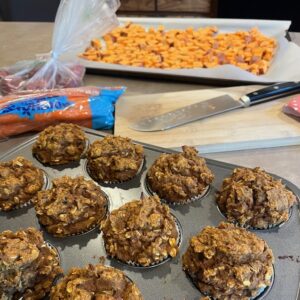
The true path to health starts in the kitchen
It really feels like we’ve overcomplicated something simple.
Simple health and wellness
That’s right, health and wellness is quite simple. Easy, no. Simple, yes.
Last year, I took a “common sense” approach to many of my articles about health and wellness. I saw an opportunity to remind everyone, especially those looking for workout hacks or wellness shortcuts or secrets to health, that they need none of that. Just use common sense. Do the simple things you know in your head and your heart that you should do.
This year, I’m going even bolder than simple common sense. I dare you to…be boring.
Boring health and wellness
For real, dial down your approach to health and wellness by going back to the basics, the obvious, the small, daily, consistent habits i.e. the boring.
There’s no need to buy the latest wearables, then track and attempt to make sense of every bit of data. Pass on going all-in on the latest workout craze. Don’t force-feed yourself kale or smoothies or whatever super food is having its moment…unless, I suppose you really like kale? I can’t imagine anyone does.
But for real, get boring about your habits, your choices, and your every day.

I’ve said it before and will say it forever: walking is THE most underrated exercise
Take a brisk walk.
Drink lots of water and little (or zero) soda, alcohol, juice, and sports drinks.
Be grateful and kind.
Cook real foods like vegetables and quinoa, fish and eggs.
Go to bed around the same time every night and get up around the same time every morning.
Use free weights, resistance bands, or your own body weight.
Eat fiber and protein, fruit and flax seeds.
Don’t scroll so much, especially first thing in the morning and before bedtime.
Quit buying so much stuff.
Oh, and for the ultimate boring cherry on the top: do these things all the time. Most, if not all, days. Then repeat the next day and the one after that, these same, boring activities.
That’s something no amount of hacks, shortcuts, or secrets will replace. To find success and calm in the chaos and overwhelm of wellness, dare to be boring. Because being well, living a healthy lifestyle…most of it boils down to basics, consistency, discipline – the boring stuff. And, at least to me, there’s something wonderfully energizing and fantastic and comforting about that.
Keep it real, keep it boring
Health and wellness doesn’t need to be sexy and shiny, it doesn’t require an arsenal of apps or have to cost a fortune every month in prescriptions and subscriptions.
This year, keep it un-complicated. Keep it simple. Keep it boring.
And, as always with me, keep it real.
That’s enough for now. Until next time,
Lindsay
Nobody asked me: Work hard, embrace the process
I recently ran my last race of the season. One of my favorite moments came while chatting with one of the guys in my pace group. We were agreeing about how much we love race day because it’s so fun. It’s the reward for all our hard work.
But, wait – the day you run 3.1, 26.2, or 13.1 miles – that’s fun? Isn’t THAT the hard work??
Sure, technically, race day is work. But race day is fun and really is a reward – and that’s only BECAUSE of how hard we work. The time, the effort, the energy runners put into their training and nutrition and sleep, that process all makes race day the fun part.
That’s really what we both got to in our conversation: our shared love of the process behind training for a race. Not only does it lead to a fun race day, committing to the process offers benefits every other day along the way.
Many of my family members and friends think I’m really talented at running, especially my role as a pacer. I can see how it appears that I have a knack for being able to maintain the goal pace across all the miles. I get why it looks like I’m good at keeping the energy and enthusiasm going for the group, all the way to the finish line.

Process pays off.
The reality is, running and pacing is fun – because I have a process. I’m not talented. I’m not special. I’m not just really good at it.
I work hard. I run the miles. I take time for weight lifting days. I train to run faster than I pace, then practice a lot of runs at goal pace.
Nobody asked me, but my best running tips, my secrets to running, are pretty boring. I don’t wing it. I don’t skip the work. I embrace process.
Don’t wait for motivation
Years back, I wrote a blog about the myth of motivation. If you don’t want to read it, here’s the gist: motivation doesn’t exist.
Sorry not sorry. Motivation is bullshit, it’s not real. It’s a made up idea that people use because they think they need to psych themselves up to do something. Or, most often, motivation is an easy scapegoat to blame when they don’t.
“I just need to get motivated!”
“Ugh, I just didn’t have any motivation.”
Don’t rely on motivation. Embrace and build process.
Embrace process
As often happens to me, this concept of embracing the process began as a thought about training for a race. Training runs, proper recovery, good fueling, plenty of rest – they’re all part of the process. Basic process is always one of the running tips I offer to anyone who asks.
But beyond running, embracing process can pay off in other aspects of life. Recently at work, I was talking about the value of process while coaching a team member on a presentation.
I shared that the best speakers I’ve ever worked with have something in common: they don’t wing it. They gather facts, organize notes, and rehearse. These people are the best because they work hard; they embrace the process.
Clearly, I love process. Not only does process help build healthy habits and create a clear path to achieve goals, embracing a process is what helps you keep showing up every day.
Motivation will ebb and flow and eventually fade when anything gets rough. Loving and committing to process won’t leave you hanging.
Whether your health, at work, or anywhere important in life, that’s my message to you. Don’t wing it. Don’t skip the hard work. Don’t middle finger the process.
That’s enough for now. Until next time,
Lindsay
Protein-packed, fluffy egg bake recipe
Egg bake is one of my favorite foods to make, for several reasons.
The recipe is tailor-made for food prep – meaning you get multiple servings out of every batch, no added effort required.

The perfect egg bake doesn’t exi-OMG, it’s so good.
It’s a nutritious food you can use as a solid “vehicle” and eat a dozen-plus different ways – top it with salsa or avocado, serve alongside breakfast meat, pair it with a side of veggies, soup, or about a million other side dishes. Egg bake is a great base to make a delicious, nutrition-filled (and stomach-filling) meal. I have young children and they love this egg bake recipe – which says a lot.
Finally, one of the greatest things about egg bake – it’s perhaps the only food that tastes better reheated after being frozen. True story.
A potential downside of egg bake? It can taste pretty meh if it’s not done right. If you’ve ever been personally victimized by dense, heavy, or dry egg bake, I assure you – this egg bake recipe is having none of that.
Without further ado: a protein-packed, fluffy egg bake recipe.
Ingredients – and in the order you’ll use them:
8 large eggs and 1 cup egg whites (or 10-12 large eggs)
1/2 cup flour (you can sub half wheat flour or try gluten-free flour – changes the texture a bit but still works)
1 tsp baking powder (THIS is crucial – do NOT skip the baking powder)
1/2 tsp salt
1/4 cup melted butter
1 pint cottage cheese
Preheat the oven to 400 degrees. Beat the eggs (and add egg whites, if using), then mix in flour, baking powder, and salt. Scrape the bowl as you combine well. Add the melted butter and mix, then finally mix in the cottage cheese. Bake at 400 degrees for 15 minutes; reduce heat to 350 degrees and bake another 36-37 minutes.
This recipe delivers a protein-packed, fluffy egg bake you can serve right away. I make it every year for Christmas brunch and it’s always a hit. Or, throughout the year, I make this often, then divvy up into 8 servings, refrigerate or freeze, and have ready to go whenever the mood strikes. It’s delicious, it’s nutritious, and it can be eaten numerous ways.
And I didn’t mention it before, but you can gather from the above instructions, this is an easy recipe! Anyone looking to eat healthier, eat more filling, nutritious food, and practice food prep, you’ll want this recipe. Eat well!
That’s enough for now. Until next time,
Lindsay